

Site Excavation
We dig, shape, and adjust the terrain so your project starts on solid, well-prepared ground.
Now scheduling projects
+1 (239) 359-8463Southwest Florida · Licensed and insured
Earthworks & Land Development · Southwest Florida
▸ We move the ground, not the schedule
Clean cuts, solid grades, and sites that stay ready for your build — excavation and earthworks for homes and sites across Southwest Florida.
What we do
We dig, shape, and adjust the terrain so your project starts on solid, well-prepared ground — from surface cuts to full site excavation, with the machines sized to your access and soil.
We dig, shape, and adjust the terrain so your project starts on solid, well-prepared ground.
We refine surface levels, smooth out rough areas, and compact soil to create a consistent working platform.
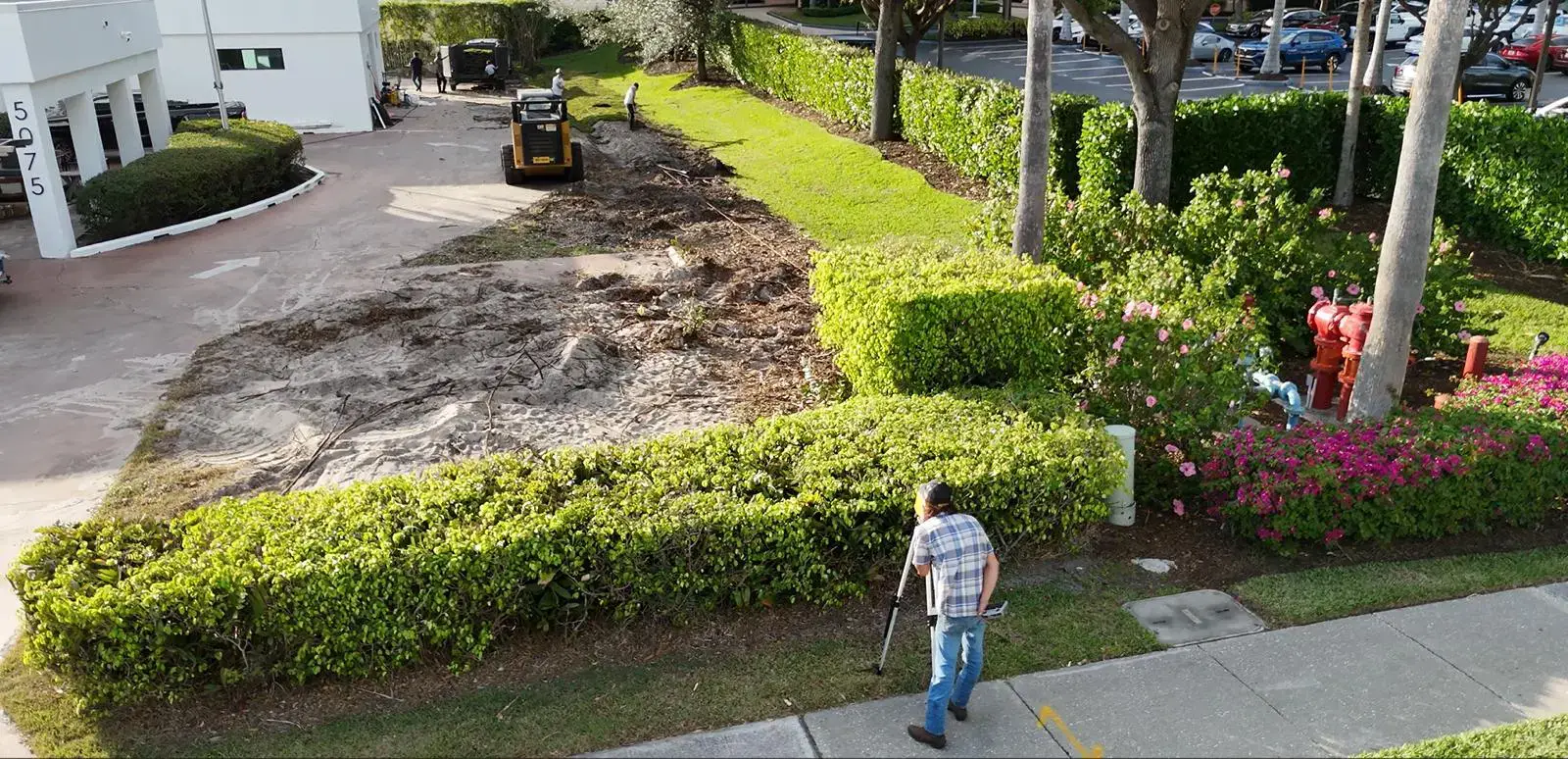
We handle light cuts, shallow digs, and surface adjustments that support general earthwork and site preparation.
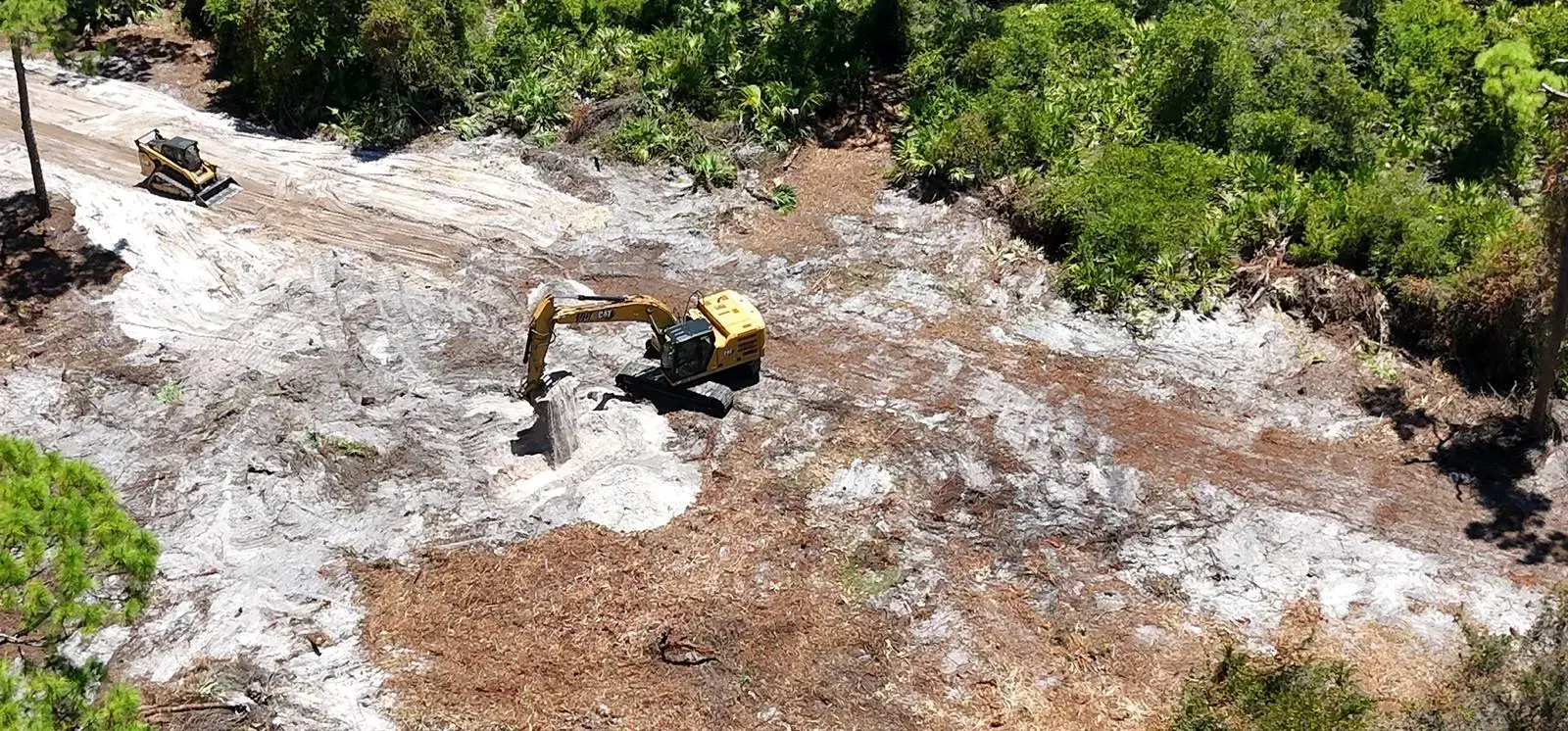
We contour the land, adjust slopes, and prepare wide areas for stable movement, equipment access, and clean workflow.
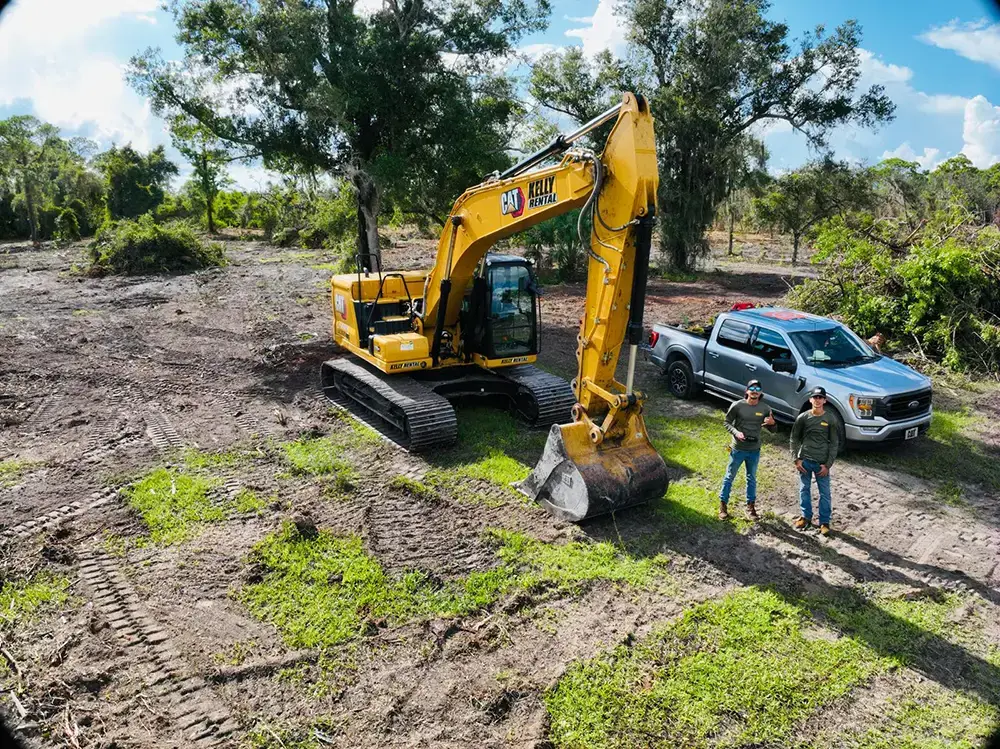
We move in or remove soil and basic materials to keep your site clean, balanced, and ready for the next step.
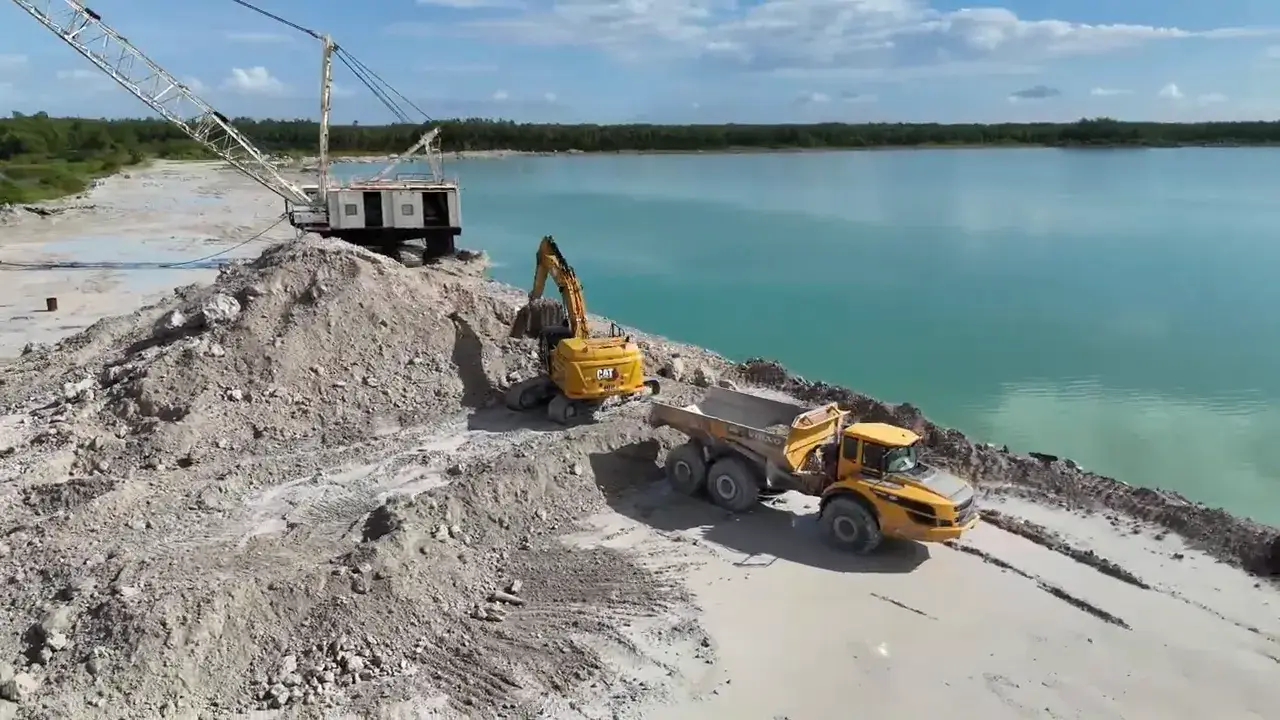
What decides the job
Excavation gets quoted on depth and volume, but what actually decides the schedule is what comes out of the ground, where it goes, and what is in the way. These are the things we check before putting a number on it.
A footing, a pond, a utility trench and a pool all want different tolerances. Excavation to an engineered plan gets held to that plan. A drainage swale gets held to whether water leaves. Tell us which one it is and the scope stops being a guess.
Southwest Florida runs a high water table, and in the wet season it runs higher. Past a certain depth the hole fills faster than it empties, and that turns a straightforward dig into pumping, sequencing and sometimes a different season. Depth is the first thing we check against the calendar.
Sand digs fast. Limestone does not. Much of Collier and Lee sits on cap rock at shallow depth, and hitting it changes the machine, the attachment and the hours. Where rock is likely, we say so before quoting rather than after.
Every cubic yard that comes out has to go somewhere. Staying on site as fill is cheapest, if it is suitable material and there is room. Hauling off means trucks, tipping and traffic. Bringing fill in is a third price again. This is usually the largest line on an excavation quote.
We submit 811 locates and verify utilities before any equipment enters the site. Private lines are the ones that catch people out: irrigation, well lines, septic laterals and unpermitted power runs are not on any public locate.
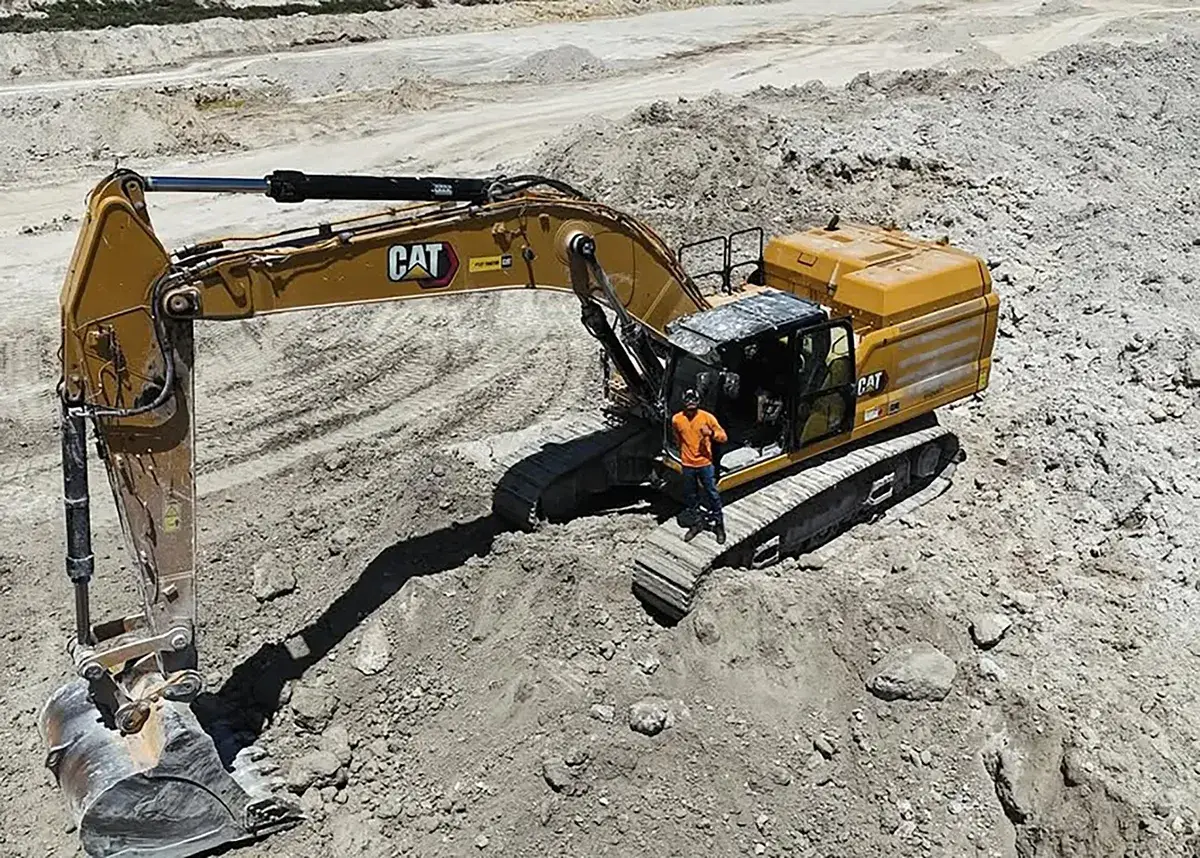
Excavator size is set by access, not by preference. A gated backyard, a soft shoulder or an easement with a low line overhead decides which machine works and how much of the job happens by hand.
An open excavation has to stay open safely. Depth, soil type and how long it stays open decide whether it gets benched, sloped back or shored. That is scope, not an afterthought, and it belongs in the estimate.
Backfill, compaction and restoring grade are part of the job, not an extra. A hole filled loosely settles, and the settling shows up in the driveway or the slab that goes over it later.
How this gets priced
Volume sets the floor. What raises it is everything the volume does not tell you: what the material is, where it goes, how deep the water sits and how the machine gets to the work.
We walk the site before quoting and write the assumptions down: expected material, where spoil goes, what happens if we hit rock or water. That is what makes an estimate comparable instead of a number you find out about later.
Where we run excavation
Every city below has its own excavation page — local coverage, real projects nearby and the same owner-operated crew out of Naples.
Before you call
Depth is limited by the water table and the machine before it is limited by anything else. In much of Southwest Florida you meet water well before you meet the limit of the equipment, and past that point the job becomes pumping and sequencing rather than digging. We check expected depth against the season on the walk.
Cap rock sits shallow across a lot of Collier and Lee, so it is not a surprise, it is something to price for. Where rock is likely we say so up front and the estimate carries the assumption in writing. Finding out mid job is what turns into a change order.
Whichever costs you less for what you are building. Keeping suitable material on site as fill avoids trucking entirely and is usually the cheapest outcome. If the material is not suitable, or there is nowhere to put it, it leaves. We tell you which applies before the machine arrives.
Often, with adjustments. From June through October the water table is up and open excavations fill faster. Shallow work usually proceeds normally. Deeper work may need pumping or may simply cost less if it waits. We give you the honest version rather than booking it and dealing with it later.
Yes, and it gets sequenced with the trades that follow so nobody starts by undoing our work. Trenching runs on the same locates and the same crew as the rest of the earthwork on the site.
For anything built to an engineered plan, yes. Excavation to a plan is only as accurate as what it is set out from. For general work like a swale, a pad or clearing spoil, we can work from the site and your direction.
No fixed minimum, but small jobs carry the same mobilization as large ones, so a half day of work does not cost half a day. If you have several small items, grouping them into one visit is usually the cheaper way to do it.
Yes, and it is part of the scope rather than an extra. Backfill placed and compacted properly is why the driveway over it does not sink. A hole filled loosely is a problem you pay for twice.
Hector TractorNaples, FL · +1 (239) 359-8463
Tell us the address and what needs to happen. You get a clear scope, a real schedule and one crew that owns the work.