
Rough grading
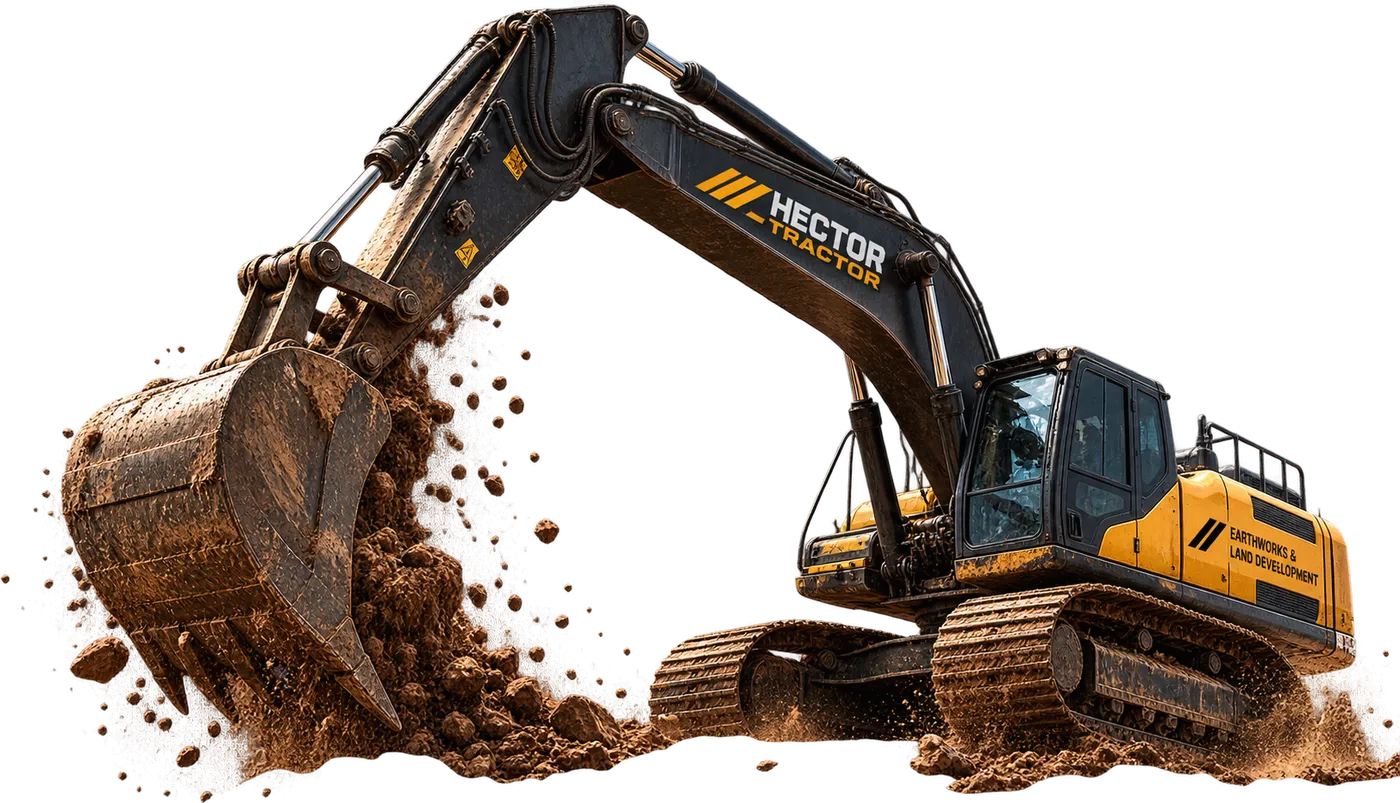
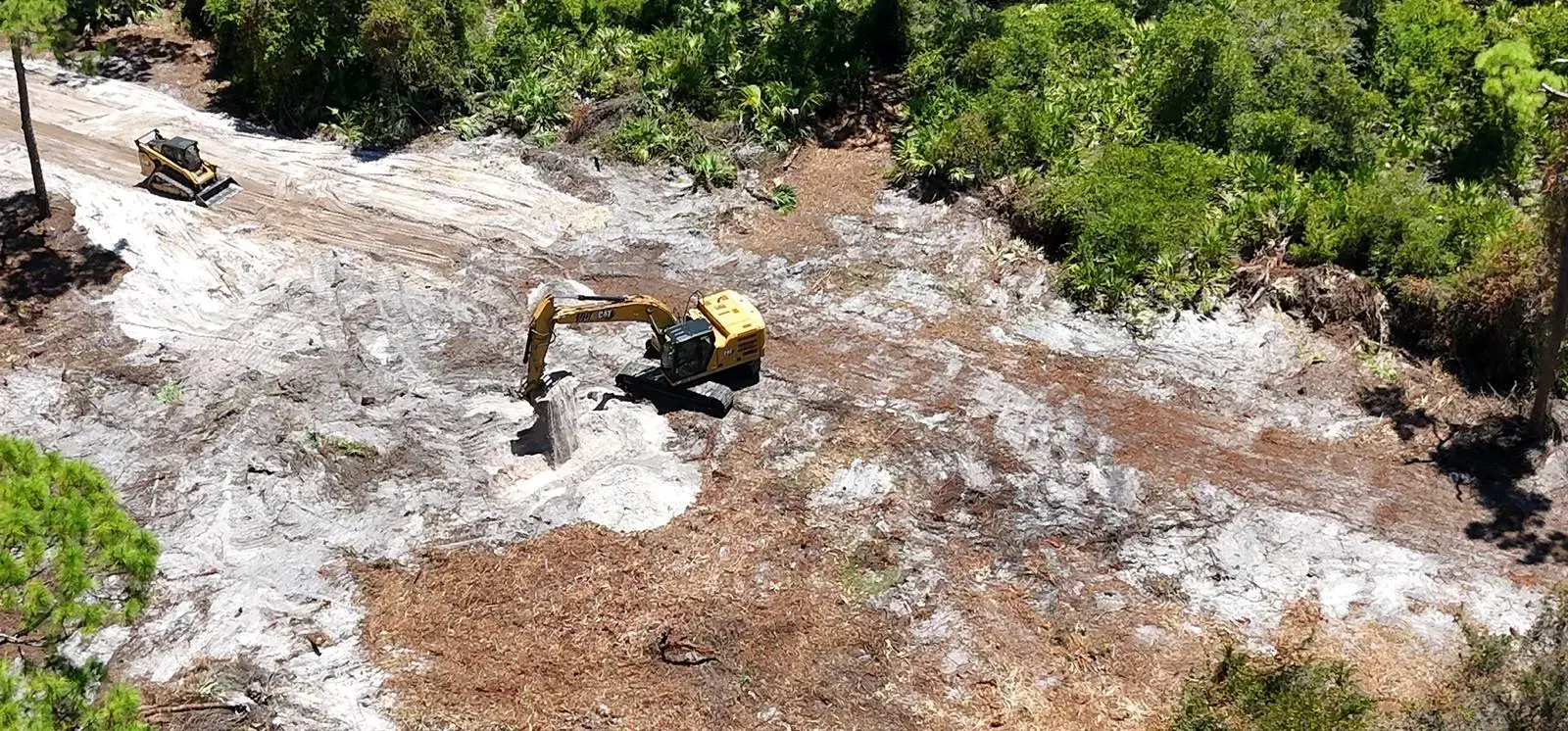
Bulk earthmoving to bring the site to shape — high spots cut, low spots filled, subgrade established and compacted in lifts. Where most of the machine hours go.
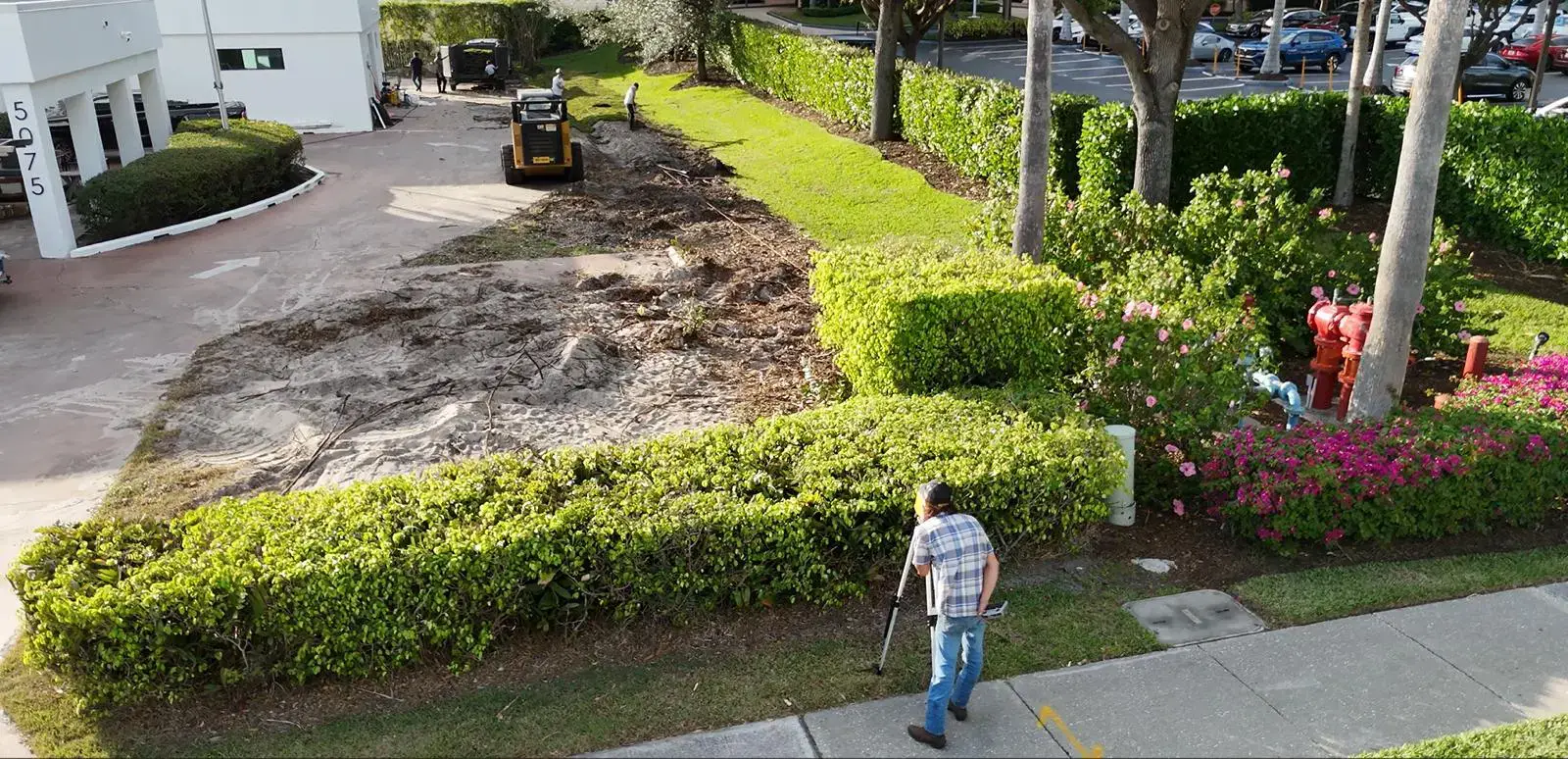
Now scheduling projects
+1 (239) 359-8463Southwest Florida · Licensed and insured
Grading & Earthworks · Southwest Florida
▸ Rough grade to finish grade
Grading for builders, owners and developers across Southwest Florida — pads, driveway grade, drainage shaping and finish grade held to the tolerance the next trade needs.
What we do
Grading is not levelling. It is giving ground a deliberate shape: an elevation that holds, a fall that moves water where it is allowed to go, and a surface flat enough for whatever gets built on top of it.
Bulk earthmoving to bring the site to shape — high spots cut, low spots filled, subgrade established and compacted in lifts. Where most of the machine hours go.
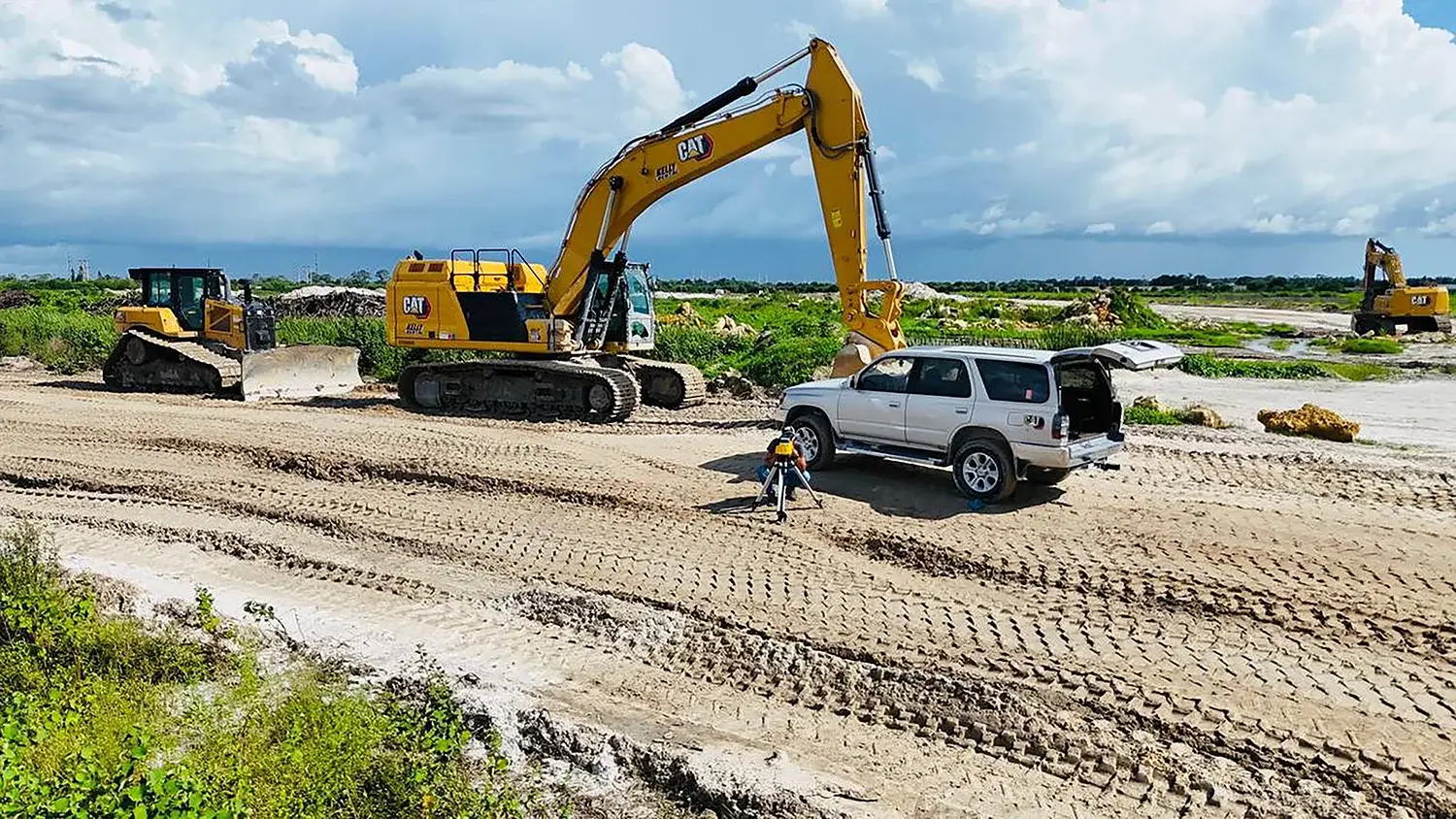
The last few inches, held to tolerance. What a slab, a driveway or a sod line actually sits on, and where the difference between a good site and a callback lives.
Pads shaped and compacted to the elevation on the plan, then checked — so the slab sits on ground that holds instead of ground that settles.
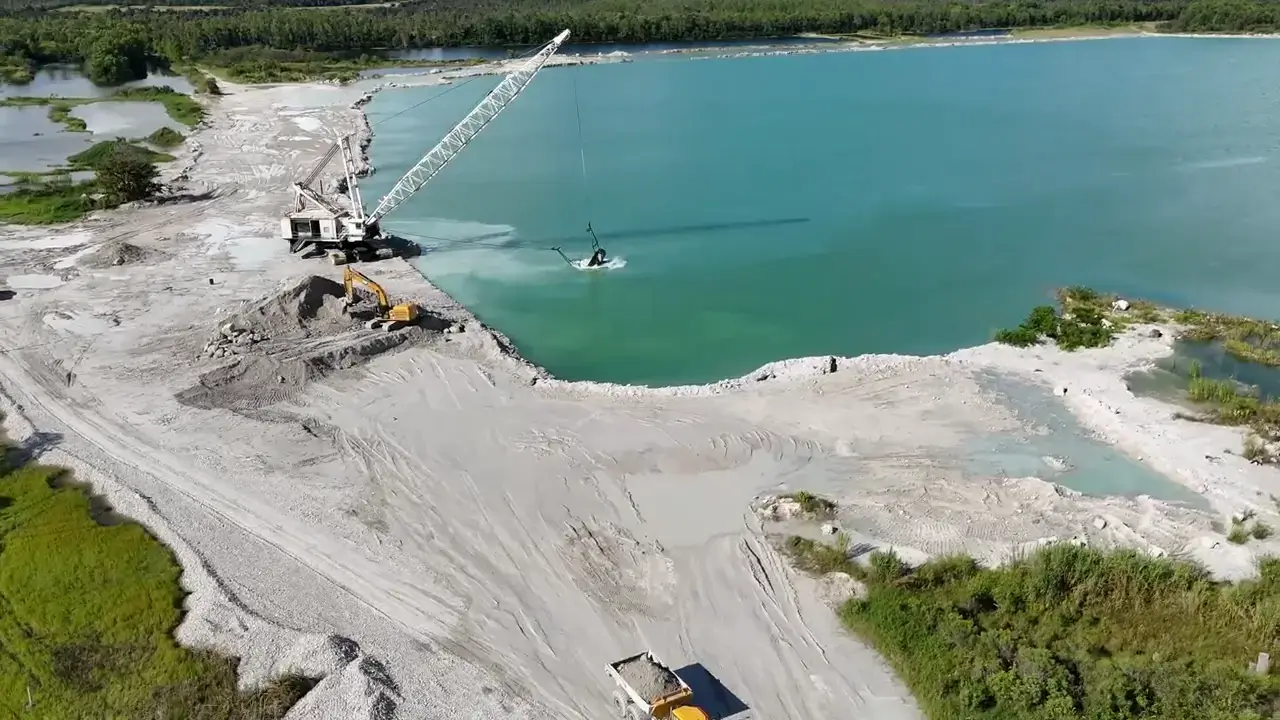
Swales, contours and fall away from the structure, tied into wherever the water is permitted to go. Flat land does not drain itself.
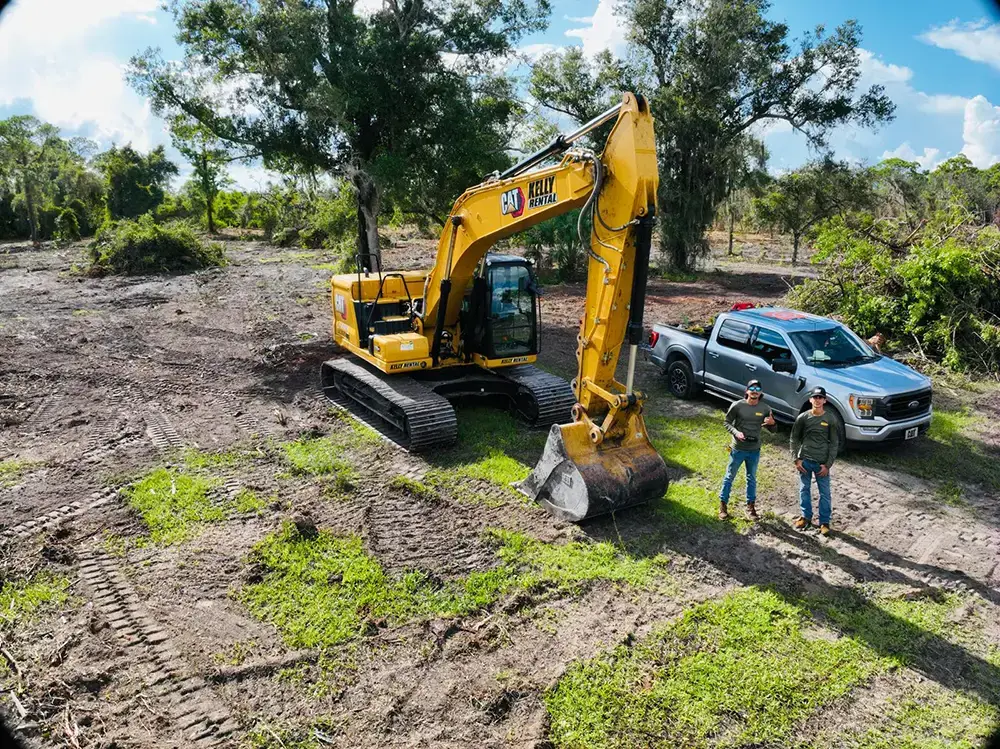
Bare lots brought to grade, and existing ground reshaped when it ponds, sheds toward the house or never had a swale cut in the first place.
What decides the job
Ground can look flat and still be wrong. What decides the scope is the elevation you have to reach, where the water is allowed to go, and how tight the finished surface has to be for whatever comes next.
Finished floor, drainfield separation, a flood requirement, or simply above where the water sits in August. This number sets the fill volume, and fill volume is most of the price on almost every grading job in Southwest Florida.
Cutting high ground to fill low ground moves material without buying any. A site that balances costs dramatically less than one importing every yard. On flat platted lots there is usually nothing to balance with, and that is worth knowing before you compare two quotes.
Rough grading establishes shape. Finish grading holds tolerance. They are separate stages and separate money, and the single most common reason two grading quotes look wildly different is that they are not quoting the same stage.
A swale, an inlet, a canal, the county right-of-way. Moving water off your ground is half the job — it then has to reach somewhere the system is designed to take it, or you have moved the problem rather than solved it.
Mature trees, an existing slab, a septic field, a driveway that stays, a neighbour who drains onto you. Every fixed point narrows how the grade can be shaped and is paid in hours rather than in yards.
From June through October the table is up. Freshly graded ground ruts under machines and is harder to compact to spec. Some sites work through it fine; others finish faster and cheaper if they wait, and we say which yours is.
Imported fill is a trucking operation before it is an earthwork one. Volume, haul distance and availability all move the schedule, which is why fill belongs on its own line in a scope instead of buried in a lump sum.
Compaction in lifts at the right moisture, and erosion control before the first storm. Bare graded ground with no stabilisation is ground that gets graded twice.
How this gets priced
Two numbers dominate: the volume of material and the tolerance the finished surface has to hold. Everything else modifies them. Knowing which is which is what lets you compare two proposals honestly.
We walk the site before quoting and write the assumptions down: target elevation, whether it balances, where the water goes, rough or finish. That is what makes an estimate comparable instead of a number you find out about later.
Where we run grading
Every area below has its own grading page — local coverage, real projects nearby and the same owner-operated crew out of Naples.
Before you call
Rough grading moves the bulk of the material and establishes the shape of the site: high spots cut, low spots filled, subgrade compacted. Finish grading is the last few inches held to tolerance, and it is what a slab, driveway or sod line actually sits on. They are separate stages and separate money. If two grading quotes look very different, this is usually why.
No, and they get bought at different moments. Clearing removes what is growing on the ground — brush, trees, stumps, roots. Grading gives the ground underneath a shape: elevation, slope, drainage, a pad. A lot with vegetation on it needs clearing first, because you cannot shape ground through stumps and organics left under a pad rot and settle. We do both, so it runs as one sequence.
From the plan where there is one — permitted work is held to the finished floor elevation on the drawings. Without a plan, from what the site needs: fall away from the structure, a tie-in that matches the street and the neighbours, septic separation where there is no sewer, and enough height to stay above what the ground does in the wet season.
Almost always. Standing water is a shape problem: no fall away from the structure, a swale that was filled in or never cut, or settled fill that created a low point. What matters is where the water goes once it moves, so we walk the whole route rather than just the puddle.
Either. Balancing on site gets checked first because moving material always beats buying it. If the elevation gain is more than the site can supply, fill is imported and that volume goes on its own line so you can see exactly what it costs.
An independent geotechnical lab, and the independence is the point — a contractor should not be marking its own homework. It is usually ordered by the owner, builder or engineer. We coordinate the schedule so the lab is there when the lifts are ready.
Often, with adjustments. From June through October the water table is up, fresh ground ruts more easily and compaction to spec is harder. Some sites proceed normally. Others finish faster and cheaper if they wait, and we tell you which one you have on the walk instead of after the machine is out there.
Shaping is grading and it is what we do: swales, contours, fall, tie-ins. Pipe, inlets and structures are their own scope and belong on their own line, so you can see what each part of the job costs rather than getting one number.
Hector TractorNaples, FL · +1 (239) 359-8463
Tell us the address and what needs to happen. You get a clear scope, a real schedule and one crew that owns the work.